Solutions
New Study: EcoG® CRI 2025
Launching the 2025 edition of our Charging Reliability Index
EcoG published the second edition of the EcoG Charging Reliability Index (CRI), a benchmark study that evaluates how reliable electric vehicles (EV) charging interfaces are implemented and interact with CCS fast-charging infrastructure globally. The 2025 edition expands the scope by testing the 10 global EV platforms, focusing on 4 categories: Reliable Charging Initialization, Robust Charging Process, Error Recovery and User Information.
Products Overview
New Study: EcoG® CRI 2025
Launching the 2025 edition of our Charging Reliability Index
EcoG published the second edition of the EcoG Charging Reliability Index (CRI), a benchmark study that evaluates how reliable electric vehicles (EV) charging interfaces are implemented and interact with CCS fast-charging infrastructure globally. The 2025 edition expands the scope by testing the 10 global EV platforms, focusing on 4 categories: Reliable Charging Initialization, Robust Charging Process, Error Recovery and User Information.
New Study: EcoG® CRI 2025
Launching the 2025 edition of our Charging Reliability Index
EcoG published the second edition of the EcoG Charging Reliability Index (CRI), a benchmark study that evaluates how reliable electric vehicles (EV) charging interfaces are implemented and interact with CCS fast-charging infrastructure globally. The 2025 edition expands the scope by testing the 10 global EV platforms, focusing on 4 categories: Reliable Charging Initialization, Robust Charging Process, Error Recovery and User Information.

Resources
New Study: EcoG® CRI 2025
Launching the 2025 edition of our Charging Reliability Index
EcoG published the second edition of the EcoG Charging Reliability Index (CRI), a benchmark study that evaluates how reliable electric vehicles (EV) charging interfaces are implemented and interact with CCS fast-charging infrastructure globally. The 2025 edition expands the scope by testing the 10 global EV platforms, focusing on 4 categories: Reliable Charging Initialization, Robust Charging Process, Error Recovery and User Information.
New Study: EcoG® CRI 2025
Launching the 2025 edition of our Charging Reliability Index
EcoG published the second edition of the EcoG Charging Reliability Index (CRI), a benchmark study that evaluates how reliable electric vehicles (EV) charging interfaces are implemented and interact with CCS fast-charging infrastructure globally. The 2025 edition expands the scope by testing the 10 global EV platforms, focusing on 4 categories: Reliable Charging Initialization, Robust Charging Process, Error Recovery and User Information.
Table of Contents
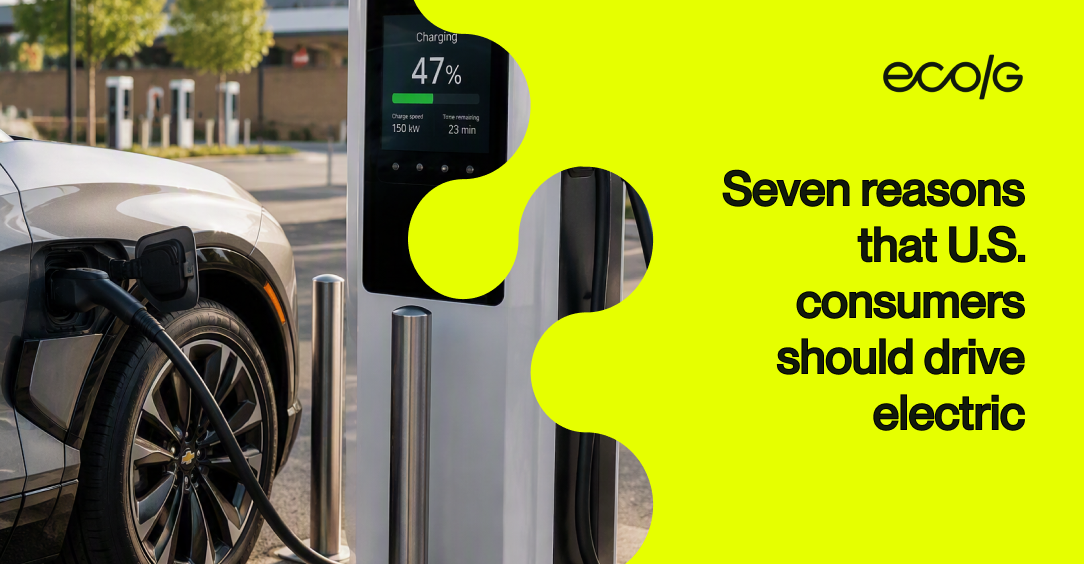
In the U.S., driving electric is becoming more practical and appealing. Here are seven reasons some buyers are switching from gas-powered vehicles.
1. Better range and battery performance
Improvements have been made in energy density and cold‑weather performance, so modern EVs now average 300–340 miles (480–547 km) of range and offer over‑the‑air software updates to improve efficiency and safety over time.
2. Lower operating costs
Depending on regional rates, electricity is often cheaper than gasoline, so if you own a hybrid or electric car, annual fuel costs can drop anywhere from about $1,500 to as low as $500. If you install a home charger with a Level 2 station (equipment and installation are around $1,000), that makes daily driving even more economical. When consumers want to spend less on fuel but retain their transportation flexibility - without utilizing public transit - electric vehicles are the first option.
3. Lower maintenance costs
Another big plus for EVs is that they have fewer moving parts, no oil changes, less brake wear, and fewer mechanical repairs over time. EVs look more and more attractive to those who are environmentally conscious without doing car repairs.
4. Environmental and policy drivers
Long‑term U.S. forecasts project a 15–25% EV market share by 2030, a number that is contingent on both the number of affordable models and whether or not the charging network will grow to accommodate the need.
The $7,500 federal EV tax credit expired in the US in September 2025, but a $10,000 annual auto loan interest deduction for U.S.-assembled vehicles is replacing it.
5. New battery technologies
Battery costs have fallen, and new battery tech like sodium‑ion could be a great option for the future. QuantumScape and Toyota are developing solid‑state battery prototypes which are expected to bring even higher energy density and safety improvements.
6. Charging infrastructure growth
While home charging currently is the most convenient and cost‑effective option, more public charging stations are coming online every week. More than 250,000 public charging ports now operate nationwide, and the North American Charging Standard (NACS) is expanding its interoperability.
7. Market shifts
Price used to be the stopper for many buyers looking at EVs, but now that EV pricing is closer to gas‑equivalent models, they are more accessible than ever. It’s now more common to find used EVs for sale as well. Automakers are launching a wider variety of affordable models, and consumer interest remains strong — nearly 60% of new‑car shoppers plan to investigate electric options in 2026.
So why think about an EV the next time you are car shopping? EVs are improving in range, cost, and convenience. For people who want fewer maintenance hassles, and have predictable daily mileage and home charging, driving electric is a financially and environmentally sound choice.
Sources for data and quotes:
Get the latest news and updates
By clicking book a demo you're confirming that you agree with our Terms and Conditions.